
Explore the complex socio-cultural and economic impact of jueteng in the Philippines, a traditional numbers game interlaced with issues of legality, politics, and community.
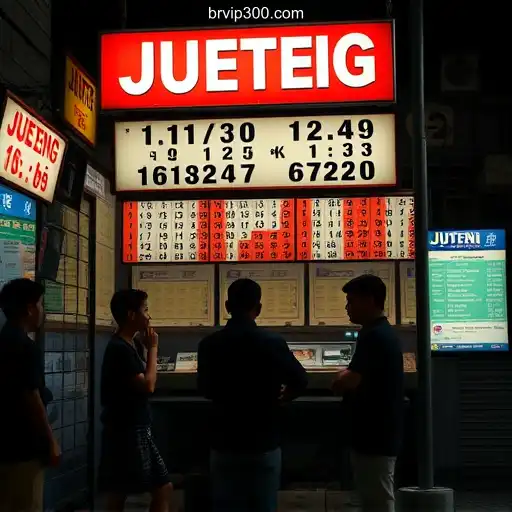
Jueteng: A Deep Dive into an Enduring Phenomenon
In the complex tapestry of gambling activities around the world, jueteng holds a unique place, particularly in the Philippines where it has been both condemned and accepted over the years. This traditional numbers game is not merely a form of betting; it is a social construct that has intricately woven itself into the fabric of Filipino culture and society.
Understanding Jueteng: The Basics
Jueteng is an illegal numbers game that originated in the Philippines, believed to have been introduced during the Spanish colonial period. The term “jueteng” is derived from the Chinese words “hué” (flower) and “teng” (to bet), highlighting its roots in wagering and fortune.
The mechanics of jueteng are unconventionally simple. Players choose a combination of two numbers ranging from 1 to 37 and place their bets. The winning combination is typically drawn twice a day by local operators. While the game appears straightforward, its structure is often maintained through complex networks of cabos (coordinators), cobradores (collectors), and other operatives. Despite its illegal status, its reach is pervasive, often due to the allure of its tax-free payouts and its deeply embedded system of patronage.
The Dickering Dynamics of Jueteng
What makes jueteng particularly intriguing is how it persists despite ongoing efforts by law enforcement and government agencies to eradicate it. The game endures, partly due to its role in the socio-political landscape of the Philippines. For many communities, jueteng serves as a form of micro-economic support, providing funds for daily needs. Moreover, it often blurs the lines between legal and illegal activities because winnings are substantial in comparison to the low economic returns from formal employment opportunities.
Political patronage also plays a major role in its proliferation. Local politicians often rely on jueteng money to fund campaigns and build alliances. In turn, they offer protection to operators, allowing the cycle to continue unabated, albeit with sporadic crackdowns to appease public or international pressure.
Jueteng's Influence on Society
Beyond the mechanics and economics, jueteng impacts Filipino society on multiple levels. It integrates into daily life as a social activity, a way for people to gather and share news. The lottery-like excitement it offers serves as a distraction from the challenges faced by many in coping with poverty. However, this comes at a societal cost; critics argue that it promotes a culture of dependence and complacency, rather than encouraging individuals to seek more sustainable forms of income.
Efforts have been made to provide alternatives to jueteng. Legalized versions of number games, such as those offered by the Philippine Charity Sweepstakes Office (PCSO), aim to channel the population's enthusiasm for lottery into state-sanctioned activities. However, these initiatives often lack the immediacy and accessibility of jueteng, leading to mixed results.
The Role of Technology and Online Betting
In recent years, advancements in technology have presented another challenge and opportunity in the gambling industry. Online platforms have emerged, offering convenient and legal alternatives to traditional gambling forms. Websites like VIP300.com Brasil: O Melhor Cassino Online e Apostas Esportivas💸 provide users with easy access to a wide range of games and sports betting options. These platforms capitalize on global connectivity, allowing participants from various demographics to engage in regulated gambling with the assurance of security and fairness.
The rise of these platforms introduces a dichotomy for traditional games like jueteng. While they could potentially draw existing patrons away from illegal operations, these new solutions also highlight the need for increased technological literacy and internet access which remain significant barriers in underprivileged areas.
Jueteng and the Path Forward
The future of jueteng will likely depend on multiple factors. Governmental policies and enforcement strategies will continue to shape its presence. As online gambling gains traction, the push for more regulated environments might encourage traditional jueteng operators to adapt or evolve. Furthermore, public education campaigns aimed at promoting the benefits of legal gambling avenues could gradually shift perceptions and participation.
In summary, jueteng remains a focal point of debate and intrigue within the Philippines’ gambling realm. Its historical significance, coupled with the socio-economic layers it encompasses, presents both challenges and opportunities. Understanding jueteng in its entirety requires acknowledging its role not merely as a game but as an enduring symbol of cultural and social complexities.